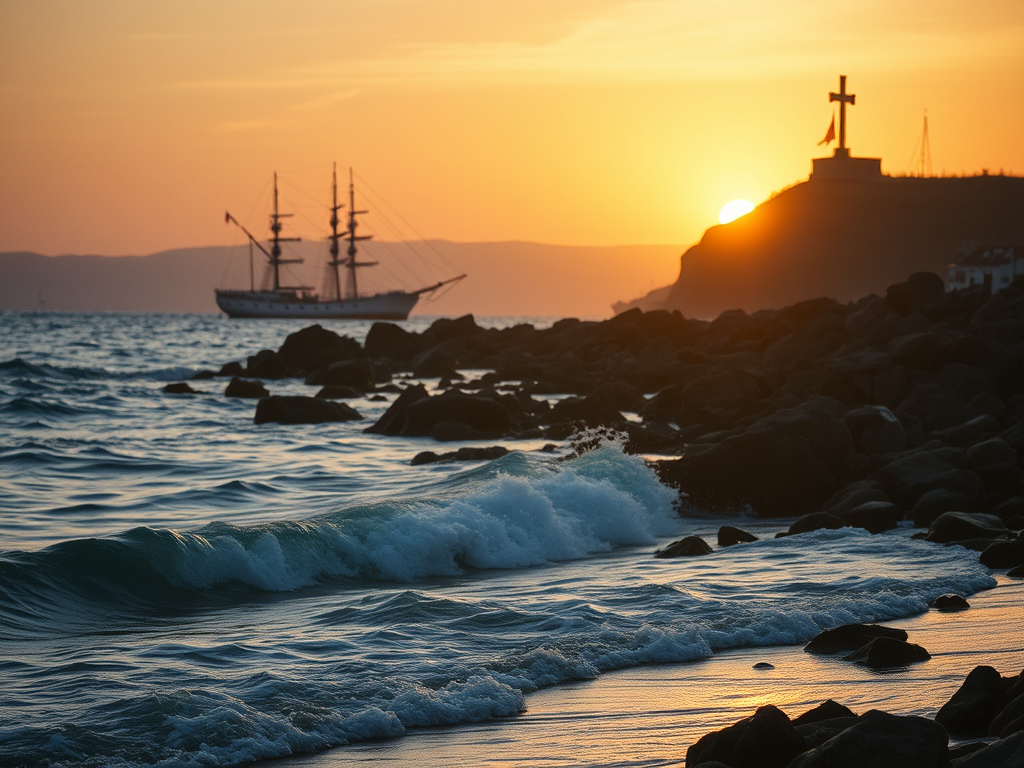
Why October is the Filipino American History Month: my 100 years of research. Comparing the history of slavery and the colonization of native tribes and building empire building, historians often forget the differences. I want to highlight that the picture of Galleon Esperanza is flying the flag of King Charles V. He is also known as Carlos I. It is not the flag of Spain. It is the battle emblem of the Holy Roman Empire, not Spain.
Filipino American History is celebrated in October. It marks the first landing of Filipinos in America. This event occurred at the same time Spanish Florida began in St. Augustine. My extended version of World history focuses on the nuances of slavery. These nuances occurred as a forgotten consequence between the two mighty empires and religions.
By defining October 18, 1587, Filipinos first landed at Morro Bay 435 years ago. The 16th century of exploration and discovery began with King Charles I, better known as Charles V. The Holy Roman Emperor sent Magellan’s armada on a journey to the New World. This mission aimed to spread Christianity. It followed Charlemagne’s earlier crusade to the Middle East but headed in a westerly direction. The Papal Bull or decree, “Inter Caetera,” in 1493 divided the world. It authorized Spain and Portugal to colonize the Americas. They could treat its Native peoples as subjects. Embedded is how the subjects are treated. I am not justifying colonization. However, I want to underscore that the Holy Roman Empire edict permanently embedded Slavery.
Comparing how Spanish and English colonists treated slaves
When British forces from Georgia attacked St. Augustine in 1740, Governor Montiano ordered the inhabitants of Fort Mose to abandon their settlement and retreat to St. Augustine for safety. The British captured Fort Mose and used it as a base of operations. However, the Spanish soldiers and Mose militia launched a surprise counterattack. They devastated the British forces and regained the fort. However, the fort was destroyed in the process. For the next decade, the people of Mose lived in St. Augustine until Governor García de Solís insisted they return and rebuild their settlement in 1752. When Florida was ceded to Britain in 1763, these African settlers, along with other Spanish citizens, evacuated to Cuba.
When Pedro Menéndez de Avilés established St. Augustine in 1565, he was accompanied by both free and enslaved Africans. These Africans played crucial roles in building the settlement. They constructed fortifications and cleared land for crops. They also helped build the early structures, including a church, a blacksmith shop, and an artillery platform.
The day we landed in America in Morro Bay, onboard were the Indios Luzones. The nephew of St Ignasious led the Filipino crew ashore. They claimed the land for the cross for the Holy Roman Empire, not for Spain. The Galleon ship was flying the banner of the Supreme Holy Emperor. Even going back on April 21, 1522, Magellan came to the Philippines. He did not intend to colonize but aimed to spread the Catholic persuasion. You will see this influence afloat in Cebu. I also noted that the country was named Philippines after the prince pretender Philips II. He was later excommunicated by the Roman Emperor for serious unbecoming. That’s our Genesis. Guam was named the Island of Ladrones until the Americans came. In my little geography, the Philippines was always on American time. This lasted until Governor Claverra’s mass baptism of native Filipinos in the mid-19th century. He decided we would no longer follow American time but be in the Asian share. The town of Claveria was born, where our historian Thelma Bucholdd was born. This necessitated losing one day, making it so that no Filipino was born on December 31, 1849. If you are puzzled, watch the movie Around the World in 80 Days.
Magellan’s stay in the Philippines and the Filipinos landing on Morrow Bay are not just a coincidence. It was the Tudor era, which was also the era of Shakespeare. This period was also the reign of Carlos I, better known as King Carlos, and his son, Phillip II. The First Queen Elizabeth reigned during this time too. They were all cousins. Marrying each other was the norm of that time. Phillip II courted the royal family, especially Queen Mary, but he failed. He returned to marry Isabella. Slowly, England separated from the Roman Empire. They went on to build the Church of England. Protestants came to join in flocks. The Roman Empire secretly survived when the Filipinos landed in America. In 1587, on the coast of Florida, the Spaniards were giving the English a hard time by abolishing slavery. This was documented plainly. A PBS DNA expert from ‘What’s Your Roots’ showed that your dad, a self-proclaimed historian, knew it before. He knows St. Augustine by heart, where it happened. Thus, all in history is just me putting it in proper place and perspective. This calls for everyone to understand.
The first Thanksgiving in America I have several stories but this one is a unique. It’s in St. Augustin. Many have visited, but they never bothered to record this historical event. In Spanish Florida 1587, the longest and oldest city in America held a Thanksgiving. The native Indians and even Afro Americans participated. This was 100 years before Plymouth Rock. A Fil-Am historian, my provincemate from Vizcaya, can attest to this gathering.
Feel the magic of St. Augustine. Climb a spiraling lighthouse for breathtaking panoramic views. Explore the grandeur of Flagler College. Embark on a journey through our swashbuckling past. Step inside fascinating museums, taste award-winning spirits, and get up close with playful dolphins. Whether you want to dive into our history, there are numerous attractions to explore. If you seek out experiences to last a lifetime, there are numerous attractions to explore. Browse our top attractions. Discover why the nation’s oldest city is such a great place to visit.
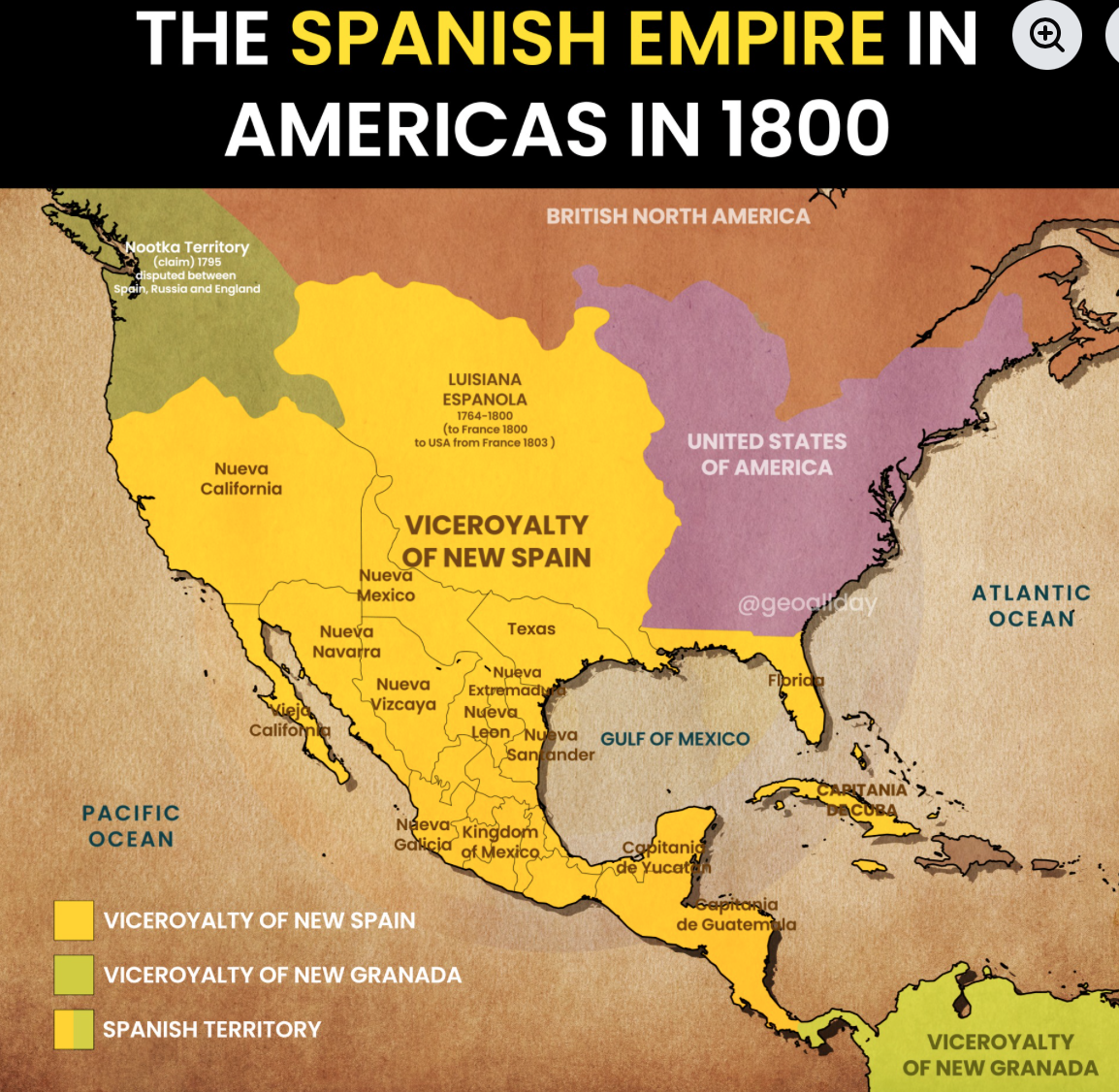
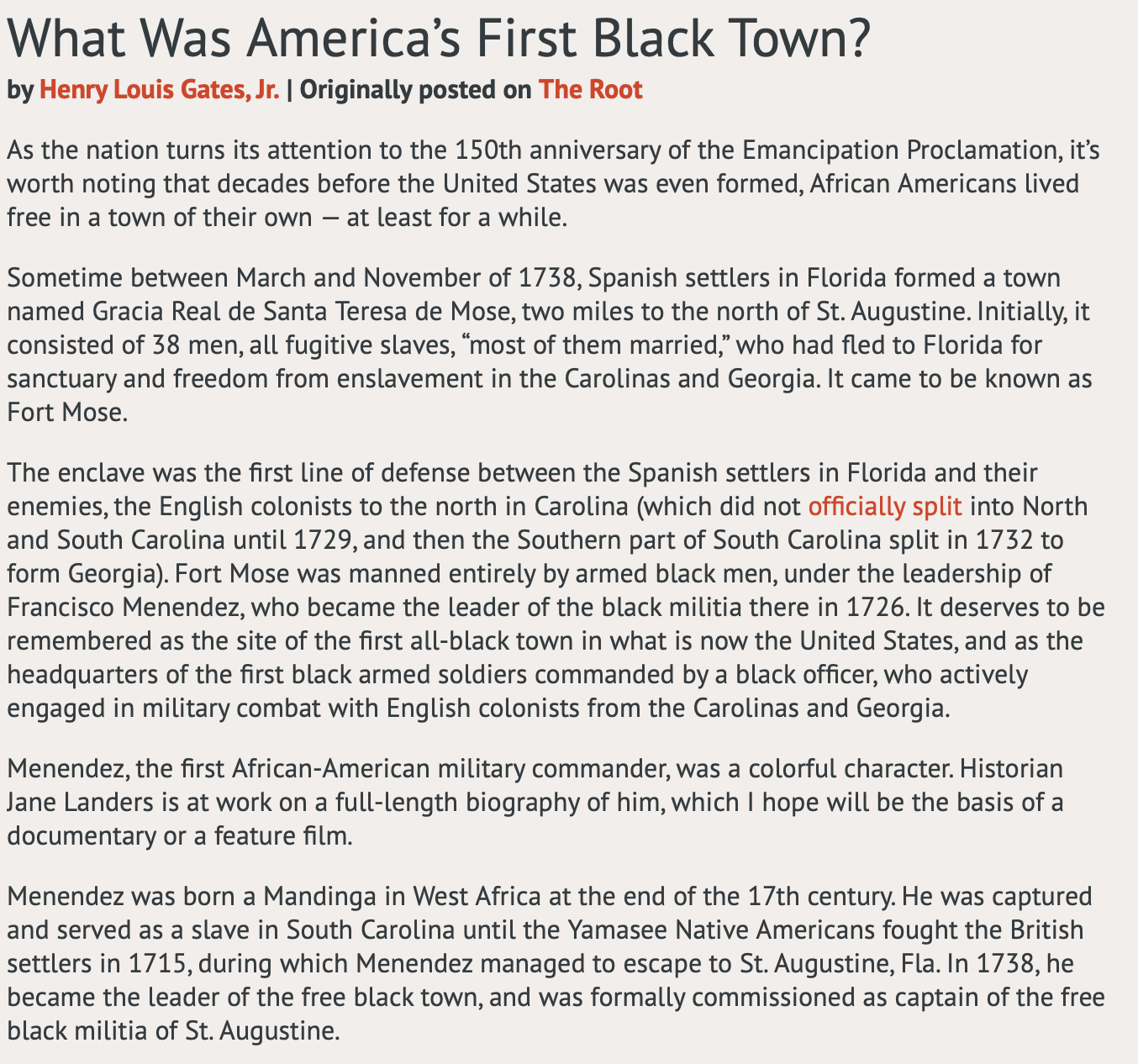
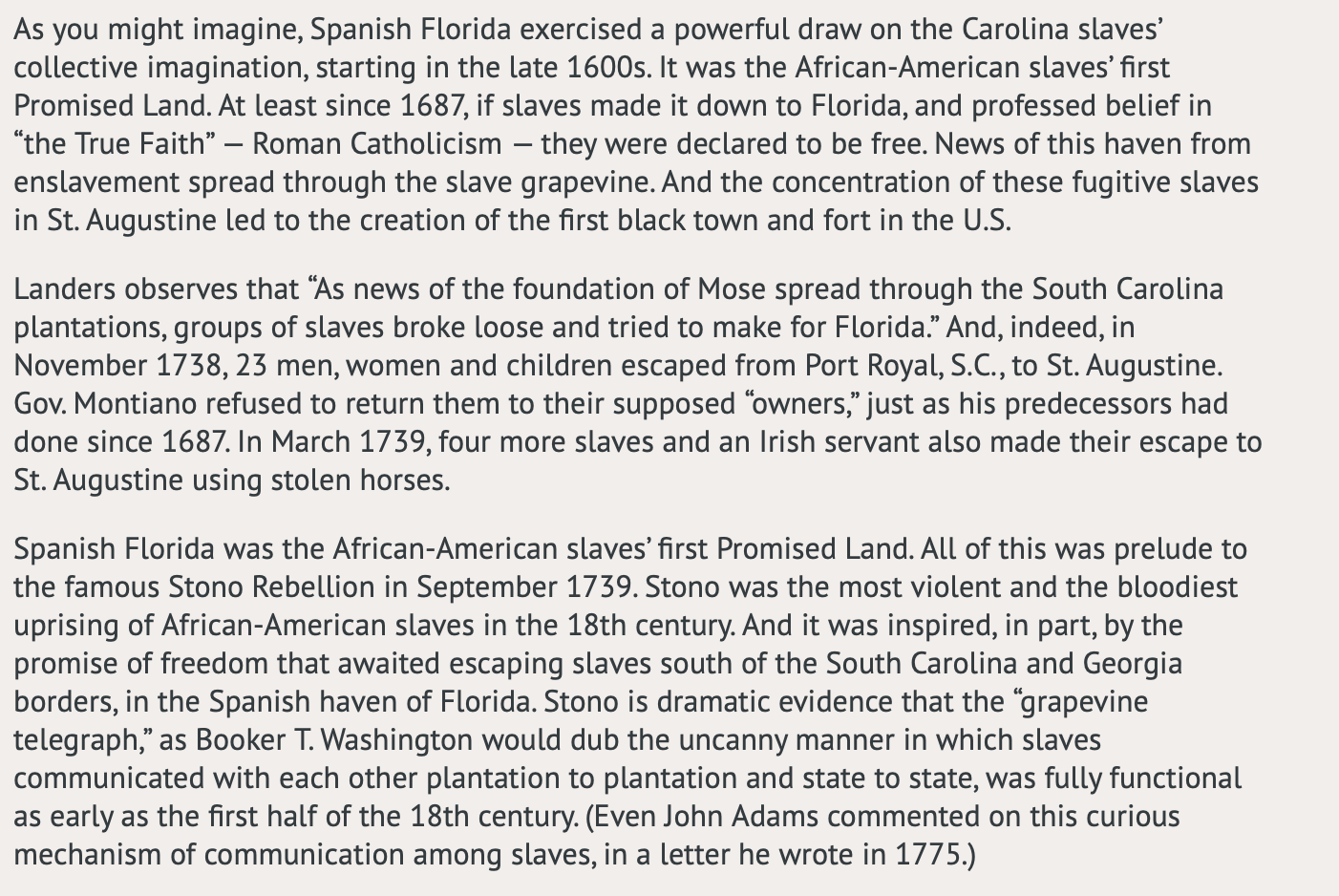

In 1693, King Charles II of Spain issued a royal decree. It offered freedom to runaway slaves who converted to Catholicism. They also had to serve the Spanish Crown. This evolved into a formal fugitive slave policy, which would later become significant in Florida’s history. Many enslaved Africans escaped from the Carolinas. They sought refuge in Spanish Florida. After four years of service, they were granted freedom. By 1738, Governor Manuel de Montiano established Fort Mose, the first legally recognized free African settlement in North America.
Fort Mose was led by Francisco Menéndez. He was a former enslaved African and a veteran of the 1715 Yamasee Wars. The fort was home to thirty-eight men and their families, totaling about one hundred people. When the British attacked in 1740, the community temporarily abandoned the fort. After regaining it through a successful surprise attack, the fort was destroyed, but it was later rebuilt in 1752. When Florida was transferred to British rule in 1763, these African settlers left for Cuba with the Spanish forces.
I also watched a documentary called The African Americans: Many Rivers to Cross. It covered The Black Atlantic 1500-1800 timeline episode. Excellent black American perspective.
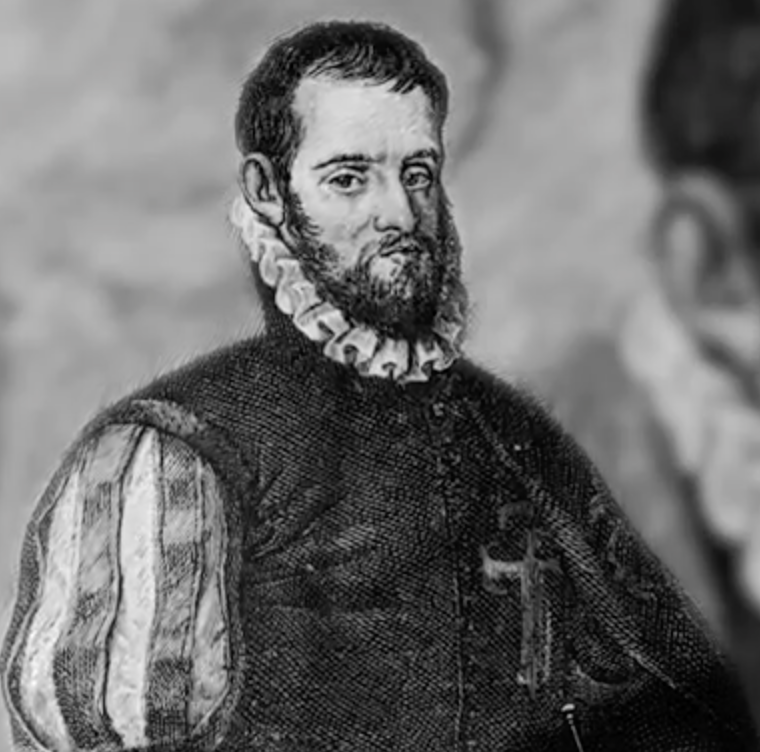
St. Augustine and the First Thanksgiving
St. Augustine is the oldest city in the United States. It is also the site of what is considered the first Thanksgiving celebration. This event was held in 1565 by Pedro Menéndez de Avilés and his crew. After safely arriving in Florida, Menéndez held a mass to thank God for their survival. He then shared a celebratory meal with the local Timucua tribe. This marked the first recorded gathering of European settlers and Native Americans sharing a meal. This occurred long before the more widely recognized Thanksgiving in 1621. That event involved the Pilgrims and Native Americans in Plymouth.
A Second Filipino Landing in America
The first recorded landing of Filipinos in what is now the United States occurred on October 18, 1587. A century later, in 1687, a group of fugitive slaves from the Carolinas arrived in St. Augustine, seeking freedom. Governor Diego de Quiroga reported to Spain about the escape of eight men, two women, and a child by boat. They were put to work on the Castillo de San Marcos or as domestic servants. These individuals were paid for their labor, marking a stark contrast to the treatment of slaves in the English colonies.
The institution of slavery in Spain differed from other European powers. It was governed by ancient Roman traditions. These were codified in the thirteenth-century Castilian law known as the Siete Partidas. This legal framework granted enslaved people certain rights. It outlined paths to freedom. This reflects Spain’s Catholic influence, which viewed slavery as an unnatural condition. Masters and the Church were expected to teach enslaved people the faith. This education allowed them to be admitted into the Church and its sacraments, including marriage. Families were to be kept together, and owners often formed kinship ties with enslaved people through the Church.
The Spanish mission system spread across the Americas. It was designed to Christianize Native Americans. Its goal was also to expand the reach of the Catholic Church. Free and enslaved Africans participated in Spanish expeditions to the New World. These expeditions further intertwined the Spanish colonial system with both Native and African populations.
In 1537, Pope Paul III issued the papal bull Sublimus Dei. It prohibited the enslavement of indigenous peoples of the Americas. It also affirmed their right to freedom and the sacraments. This decree was significant in shaping Spain’s approach to slavery in the Americas. Still,it did not end the enslavement of Africans. They continued to be captured in wars and sold into slavery across the Atlantic.
The End of Spanish Rule and U.S. Control
You can call me an American stoulle or puppet,. I serve in the United States Armed Forces proudly in both war and peace, i will do it again and again for Uncle Sam
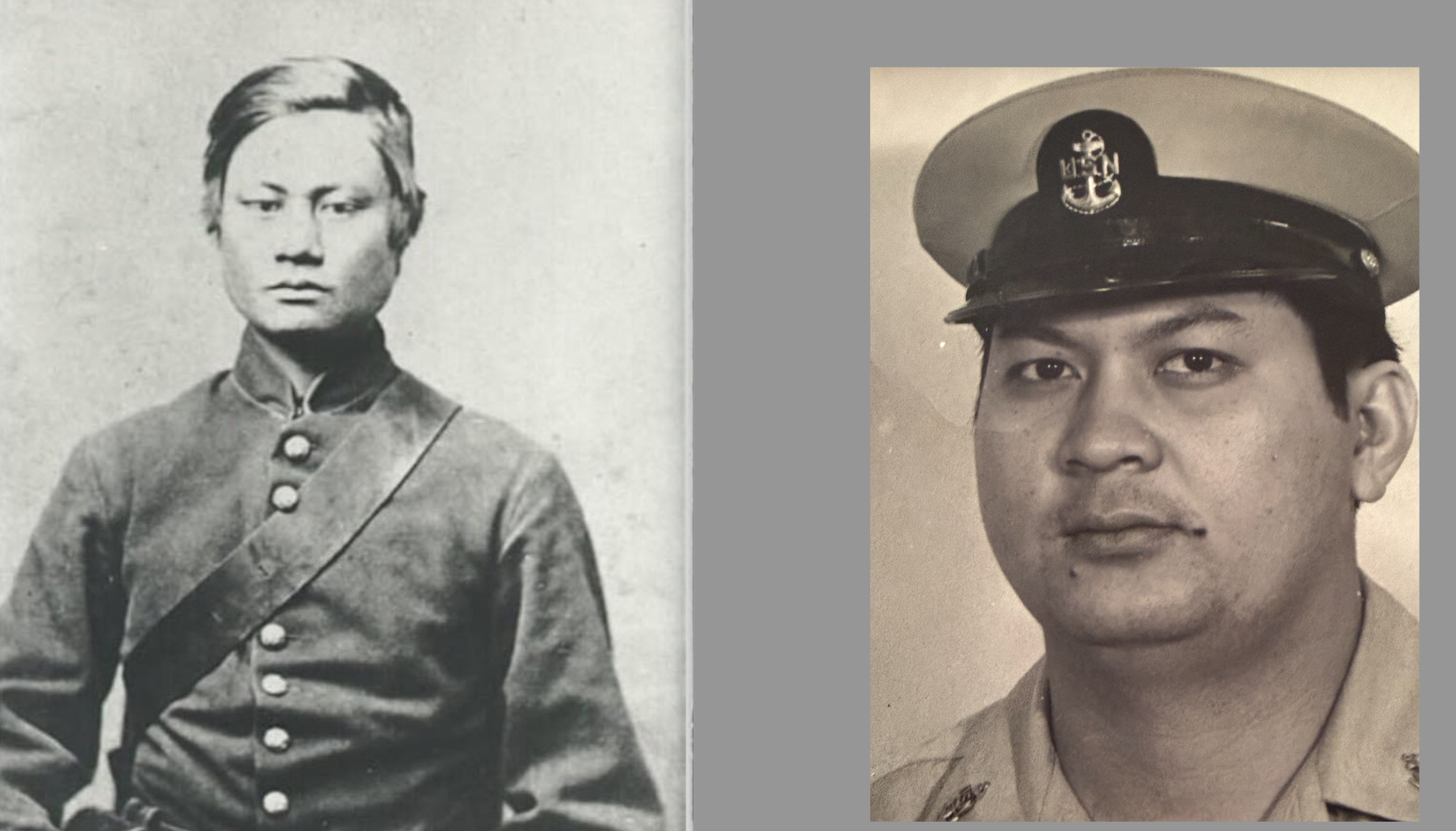
Private Balderry, Union Soldier from the Philippines 1862- Chief Nestor Palugod Enriquez USN 1958-1978.
Private Balderry enlisted during the US Civil War. At that time, the American Empire was trying to keep the new nation intact. The war was costly, but it succeeded in ushering in the second centennial. The 20th century, proving that all men are created equal, could exist together. It brought more successes in the years of WWI and WWII, proving more that the American Empire never captured land. No land of Japan or any part of Germany.
The expansion of the old Roman Empire reached Romania and extended to our current trouble spot, the Ukraine. “Vini, vici, vidi marked its rise. It eventually faded and was gone. The new American republic has ruled the world until now.
American triumph means always giving the defeated respect and grace. It allows them to develop at their own cultural pace and tradition. The approach involves never ruling over the people. It also avoids conquering territories of foreign lands. This is what makes America the greatest generation ever, and no one can challenge that. Thousands of Filipinos fought on the American side. I did and will do it again. They are proud to join in the American 250th quincentennial gala. The next celebration will be on July 4, 2026. It marks only 250 years, just a quarter of a millennium. But that’s where we are now. I have faith that America will not change its course. Happy birthday. 🇱🇦


 Filipinohome.com
0 Responses to “Filipino American History Month, Black History Month, and Thanksgiving: History Intersects in October”